

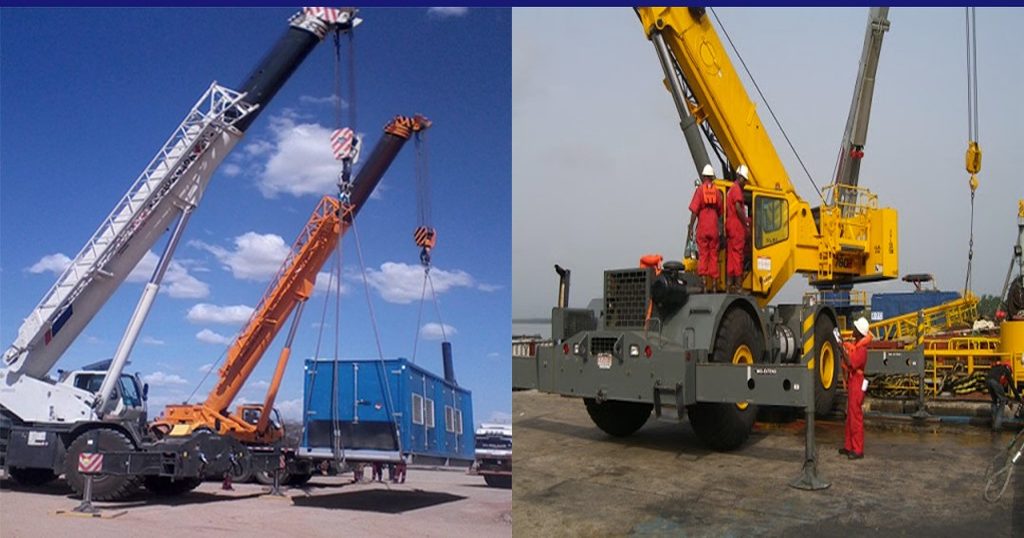
Crane overturning is one of the most serious hazards associated with lifting operations in the construction, marine, manufacturing, logistics and oil and gas industries. A crane overturning incident occurs when a crane loses its stability and tips over, often resulting in fatalities, equipment damage, operational downtime and significant financial losses. These incidents can occur during mobile crane operations, crawler crane operations, tower crane activities and other lifting operations when appropriate safety precautions are not implemented.
This blog post examines practical ways to prevent crane overturning incidents and promote safe crane operations.
1. Conduct Proper Lift Planning Before Every Crane Operation
Effective lift planning is one of the most important measures for preventing crane overturning. Every lifting operation should be properly planned by a competent and appointed person before the crane is deployed. The lift plan should identify the weight of the load, lifting radius, boom length, boom angle, crane capacity, ground conditions and environmental factors that could affect crane stability.
The lifting team must ensure that the selected crane has sufficient capacity to safely execute the proposed lifting operation. Particular attention should be given to the maximum load moment generated during lifting, as excessive load moment can cause the crane to lose stability.
2. Assess Ground Conditions and Bearing Capacity
Poor ground conditions are a major contributing factor to crane overturning incidents. A crane operating on weak, uneven or unstable ground can experience excessive settlement or outrigger failure, resulting in the loss of stability.
Before positioning a crane, a competent person should assess the ground conditions and establish whether the ground can withstand the maximum imposed loads from the crane and its lifting operation. Particular attention should be given to recently excavated areas, underground services, trenches, drainage channels, backfilled ground and areas with poor soil compaction.
Where necessary, ground-bearing pressure calculations should be conducted, and suitable ground improvement measures should be implemented. Crane mats, steel plates or engineered outrigger pads should be used to distribute loads and prevent excessive ground pressure.
3. Ensure Proper Outrigger Deployment
Outriggers provide additional stability to mobile cranes by increasing their supporting base during lifting operations. Incorrect outrigger deployment can significantly reduce crane stability and increase the risk of overturning.
Operators must ensure that outriggers are fully extended according to the crane manufacturer’s instructions and that the crane is properly levelled before lifting. Where partial outrigger configurations are permitted, the crane’s load chart for that specific configuration must be strictly followed.
Outrigger floats and suitable support mats should be positioned on firm and level ground. Operators should never assume that the ground can support the crane simply because it appears firm.
4. Never Exceed the Crane’s Rated Capacity
Overloading is a major cause of crane instability and overturning. Every crane has a maximum rated capacity that depends on factors such as boom length, working radius, boom angle, counterweight configuration and outrigger position.
Crane operators must always consult the manufacturer’s load chart before commencing lifting operations. The actual load weight must include the weight of lifting accessories, hooks, shackles, spreader beams and other equipment suspended from the crane where applicable.
5. Maintain the Correct Working Radius of the Crane
The working radius is the horizontal distance between the crane’s centre of rotation and the vertical line of action of the suspended load. As the working radius increases, the crane’s lifting capacity generally decreases.
One common mistake during lifting operations is allowing the load to move farther away from the crane than originally planned. This can happen when the crane boom is extended, the load is repositioned or the crane’s operating position changes.
Crane operators must continuously monitor the working radius and ensure that it remains within the permitted limits specified in the load chart.
6. Use the Crane Load Moment Indicator (LMI) and Safety Devices
Modern cranes are equipped with safety devices designed to assist operators in maintaining safe operating conditions. One important device is the Load Moment Indicator (LMI), which monitors the crane’s load moment and provides warnings when the crane approaches its rated operating limits.
Operators must understand how to interpret LMI readings and respond appropriately to warning signals. Other safety devices, including anti-two-block systems, boom angle indicators and rated capacity limiters, should also be maintained in good working condition.
7. Ensure Competent Crane Operators and Lifting Personnel
Crane operations should only be performed by trained, competent and appropriately authorised personnel. An inexperienced operator may make incorrect decisions regarding load capacity, boom positioning, working radius and crane stability.
Crane operators should possess the necessary training, experience and competence for the specific type of crane they operate. Similarly, lifting supervisors, appointed persons, riggers and banksmen should understand their responsibilities and the hazards associated with lifting operations.
8. Carry Out Pre-Operational Inspections and Preventive Maintenance
Mechanical defects and equipment failures can contribute to crane overturning incidents. Before commencing operations, the crane operator should conduct a thorough pre-use inspection to confirm that the crane is in safe working condition.
Any defect that could affect the crane’s stability or safe operation must be reported immediately. Defective equipment should be withdrawn from service until the necessary repairs have been completed and its safe condition verified.
Periodic thorough examinations and preventive maintenance should also be conducted in accordance with applicable legal requirements and the manufacturer’s recommendations.
9. Follow Manufacturer’s Operating Instructions and Applicable Regulations
Every crane is designed with specific operating limitations and safety requirements. Operators and lifting personnel must understand and comply with the manufacturer’s instructions regarding crane configuration, counterweight installation, boom positioning, outrigger deployment and lifting capacity.
The Lifting Operations and Lifting Equipment Regulations 1998 (LOLER) provide important requirements for the planning, supervision and safe execution of lifting operations. The Provision and Use of Work Equipment Regulations 1998 (PUWER) also establish requirements relating to the suitability, maintenance and safe use of work equipment.
Conclusion
Preventing crane overturning incidents requires a combination of proper lift planning, competent personnel, adequate ground assessment, correct outrigger deployment, load chart compliance and effective equipment maintenance. Crane operators and lifting supervisors must recognise that even a small deviation from established lifting procedures can create dangerous conditions capable of causing a crane to overturn.
At Primelift Safety Resources Limited (PSRL), we recognise the importance of developing competent crane operators and lifting personnel through lifting operations training. Our training programmes are designed to promote operational competence, improve safety awareness and support the prevention of lifting-related incidents.
Contact Us on +234 9115687051. Website: www.primeliftsafetyng.com