

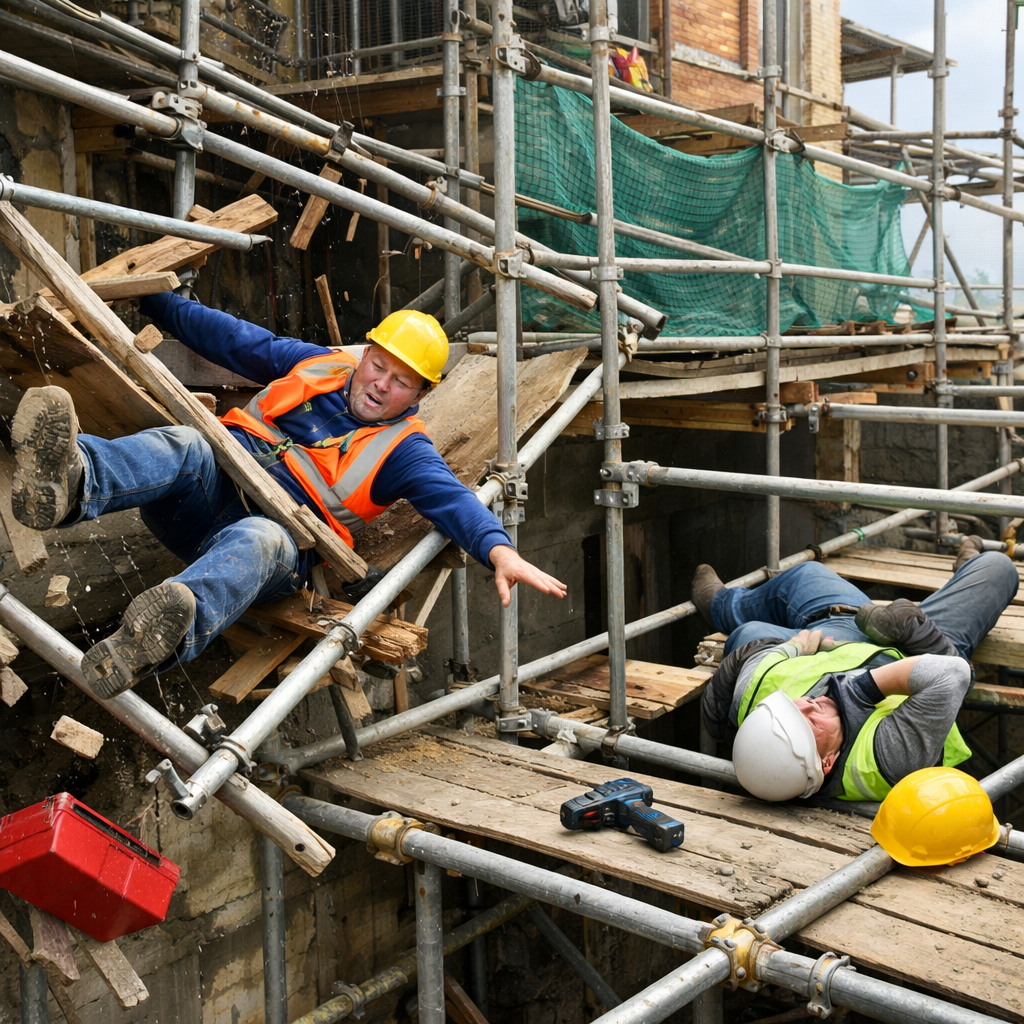
Scaffold is an essential part of construction and maintenance work, providing workers with temporary access to elevated areas. While scaffolds are crucial for productivity, they also pose significant risks if not properly designed, erected, or used. According to safety statistics, falls from scaffold are among the leading causes of injuries and fatalities in the construction industry. Understanding the causes of scaffold accidents and implementing preventive measures is critical for worker safety.
1. Improper Scaffold Design and Construction
Cause:
Using makeshift or substandard materials, not following manufacturer guidelines, or erecting scaffolds on uneven or unstable surfaces can compromise structural integrity.
Prevention:
- Ensure scaffolds are designed by competent personnel.
- Use certified components from reliable manufacturers.
- Always erect scaffolds on stable and level ground; use base plates and adjustable screw jacks where necessary.
- Follow local safety regulations and standards, such as OSHA in the U.S. or BS EN standards in the U.K.
2. Lack of Proper Training and Supervision
Cause:
Workers who are not trained in scaffold assembly, use, or inspection are more likely to make errors that lead to accidents. Lack of supervision can compound these risks.
Prevention:
- Train all personnel on scaffold safety, hazard recognition, and emergency procedures.
- Assign a competent person to oversee scaffold erection, modification, and dismantling.
- Conduct toolbox talks and refresher training regularly.
3. Falls from Height during
Cause:
Falls are the most common scaffold-related accidents, often caused by missing guardrails, unprotected edges, or overreaching. Slippery surfaces due to rain, ice, or spilled materials also increase the risk.
Prevention:
- Install guardrails, midrails, and toe boards on all platforms.
- Ensure platforms are fully planked and free from gaps.
- Use personal fall protection equipment (PFPE) such as harnesses and lanyards when required.
- Maintain good housekeeping by keeping platforms clear of debris, tools, and liquids.
4. Scaffold Collapse
Cause:
Collapse can occur due to overloading, weak foundation, or improper connections between scaffold components. Sudden impact or extreme weather (strong winds, heavy rain) can exacerbate this risk.
Prevention:
- Never exceed the manufacturer’s recommended load capacity.
- Inspect scaffolds regularly for signs of wear, damage, or instability.
- Anchor or tie scaffolds to a structure to improve stability.
- Monitor weather conditions and avoid scaffold use during extreme weather.
5. Falling Objects from Scaffold
Cause:
Tools, materials, or debris can fall from scaffolds and injure workers below. Lack of toe boards, debris nets, or secured tools increases the hazard.
Prevention:
- Install toe boards and debris nets on all elevated platforms.
- Use tool lanyards or storage containers to secure equipment.
- Restrict access to areas below scaffolds during work.
6. Electrical Hazards
Cause:
Scaffolds erected near overhead power lines can create a risk of electrocution. Conductive scaffold materials, such as metal, increase this danger.
Prevention:
- Maintain a safe distance from power lines as mandated by regulations.
- Use non-conductive scaffolding materials, such as fiberglass or wood, near electrical hazards.
- Train workers to recognize electrical risks and report unsafe conditions.
7. Inadequate Inspection and Maintenance of Scaffold
Cause:
Scaffolds deteriorate over time due to wear, weather, or improper use. Failure to inspect scaffolds regularly can leave dangerous defects unnoticed.
Prevention:
- Conduct pre-use inspections daily and after any incident, modification, or extreme weather.
- Replace damaged components immediately.
- Keep inspection records to track maintenance and compliance.
8. Unsafe Access and Egress
Cause:
Workers often climb scaffolds using unsafe methods, such as leaning ladders against platforms or climbing frames. This can lead to slips, trips, and falls.
Prevention:
- Provide safe access via ladders, stair towers, or built-in scaffold ladders.
- Ensure ladders are securely attached and extend at least 1 meter above the landing.
- Keep access points clear of obstructions.
Conclusion
Scaffolding accidents are largely preventable with proper planning, training, and adherence to safety standards. Employers and workers share the responsibility of creating a safe working environment during scaffolding activities.
Safety is not optional—it’s a responsibility. By understanding the top causes of scaffolding accidents and taking proactive measures, construction sites can significantly reduce injuries and save lives.
Primelift Safety Resources Limited offers scaffold trainings which are conducted in accordance with standards and regulations.
Contact us on +234 9115687051 or Email us at training@primeliftsafetyng.com.
Visit our website at www.primeliftsafetyng.com