

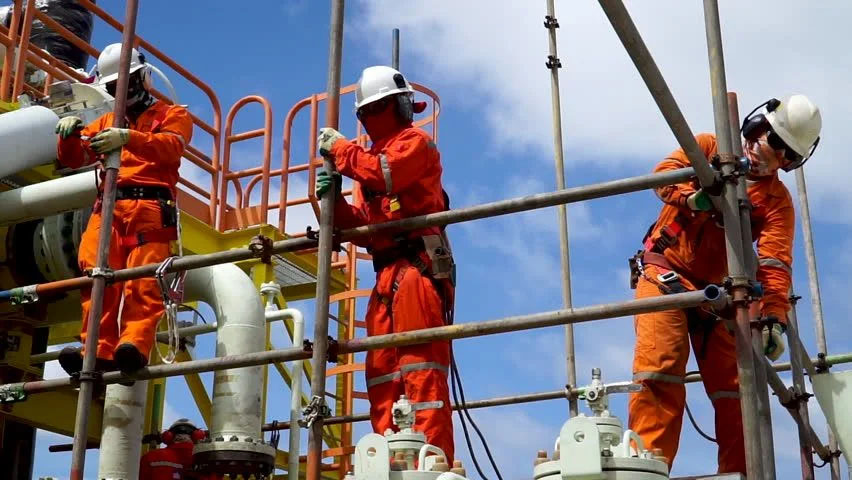
The objective of risk assessment in scaffolding erection is to identify exposure to hazards during scaffolding activities so that associated risks can be understood, evaluated and appropriate risk reduction measures applied to ensure that scaffolding work is conducted at an acceptable level.
The risk assessment for most scaffolding erection, use and dismantling will show that the level of risk is high unless there is a good standard of planning, design, equipment, training, supervision and checking to ensure safety of the scaffold.
Managing risks associated with scaffolding erection
- Identifying the hazards in scaffold erection
The following are the main hazards that can cause the collapse of scaffold:
- Incorrect scaffold erection
- Overloading of the scaffold
- Uneven distribution of loads on scaffold platform
- Poor ground conditions
- Adverse weather conditions
- Insufficient or inappropriate ties
- Incompatible components
- Unauthorized alteration of the scaffold
- Assessing the risks
When assessing risks relating to the use of scaffold you should consider the following:
• The type of scaffold to be used
• The height of the scaffold to be erected
• The scheduling of the scaffolding work
• The layout of the worksite, including proximity to public areas
• Local weather conditions, particularly wind forces.
• The number of people involved
• Plant and equipment that will be used on or near the scaffold
• Ongoing adjacent concurrent activities
• Damage to adjacent equipment or structures
• Materials and safety equipment in use are certified
• Plan for rescue
• The skill and competencies required to erect, use, maintain, alter and dismantle the scaffold
• Exposures that might occur, such as noise or ultraviolet (UV) radiation
- The surface on which the scaffold will be erected (ground conditions, the structural integrity of the surface to support the scaffold and its load).
- Implementing risk controls
The risks associated with scaffold erection can minimized by implementing the following control measures:
- Proper Training and Certification: All workers involved in scaffolding activities must receive comprehensive training and certification. This includes understanding scaffold assembly, proper usage of personal protective equipment (PPE), and emergency procedures.
- Inspection and Maintenance: Regular inspections of scaffolding components are essential to identify any signs of wear, damage, or deterioration. Maintenance and repairs should be promptly conducted to ensure scaffold integrity.
- Fall Protection Systems: Fall protection systems like harnesses, lifelines, and safety nets should be provided to workers. These systems arrest falls or minimize the impact of a fall, significantly reducing the risk of injuries.
- Guardrails and Toe boards: Installing guardrails and toe boards along scaffold edges prevents falls and falling objects. These physical barriers create an additional layer of protection for workers at height.
- Personal Protective Equipment (PPE): Workers should use personal protective equipment such as helmets, gloves, and non-slip footwear to minimize the impact of potential hazards. PPE acts as the last line of defence against accidents.
- Electrical Safety: Scaffolds should be positioned at a safe distance from power lines or electrical equipment. Insulation and grounding techniques must be employed to prevent electrocution risks.
- Safe Material Handling: Efficient material handling practices can prevent tools and materials from falling off scaffolds. Implementing proper storage and securing methods minimizes the risk of falling objects.
- Weather Considerations: Adverse weather conditions can compromise scaffold stability. Workers should be trained to recognize weather-related risks and take appropriate precautions.
- Team Briefings: Clear communication among the scaffolding team is crucial. Regular team briefings can help convey potential hazards, safety protocols, and emergency procedures effectively.
- Clear Signage: Well-placed signage around scaffolding areas can warn workers and visitors about potential dangers, ensuring that safety precautions are observed.
The risks associated with scaffold erection can be effectively mitigated through comprehensive training, proper equipment usage, and adherence to safety standards.
Primelift Safety Resources Limited offers training in scaffold erection which is conducted in accordance to standards and regulations.
Contact us on +234 9115687051 or Email us at training@primeliftsafetyng.com.
Visit our website at www.primeliftsafetyng.com