
Lifting operations are common in construction, manufacturing, oil and gas, logistics, and warehouse environments. These operations involve the use of lifting appliances and gears to move heavy loads from one location to another. Because lifting involve significant risks, such as dropped loads, equipment failure, and worker injuries, proper planning is essential to ensure that the operation is conducted safely and efficiently.
Planning in lifting operations refers to the systematic process of identifying the load, selecting appropriate equipment, assessing hazards, assigning competent personnel, and establishing safe procedures before any lifting activity begins.
This blog highlights the importance of planning in lifting operations.
1. Ensures Safety of Workers
The primary importance of planning lifting operations is to protect the safety of workers and other persons in the work area.
Without proper planning, workers may be exposed to hazards such as falling loads, crushing injuries and equipment collapse.
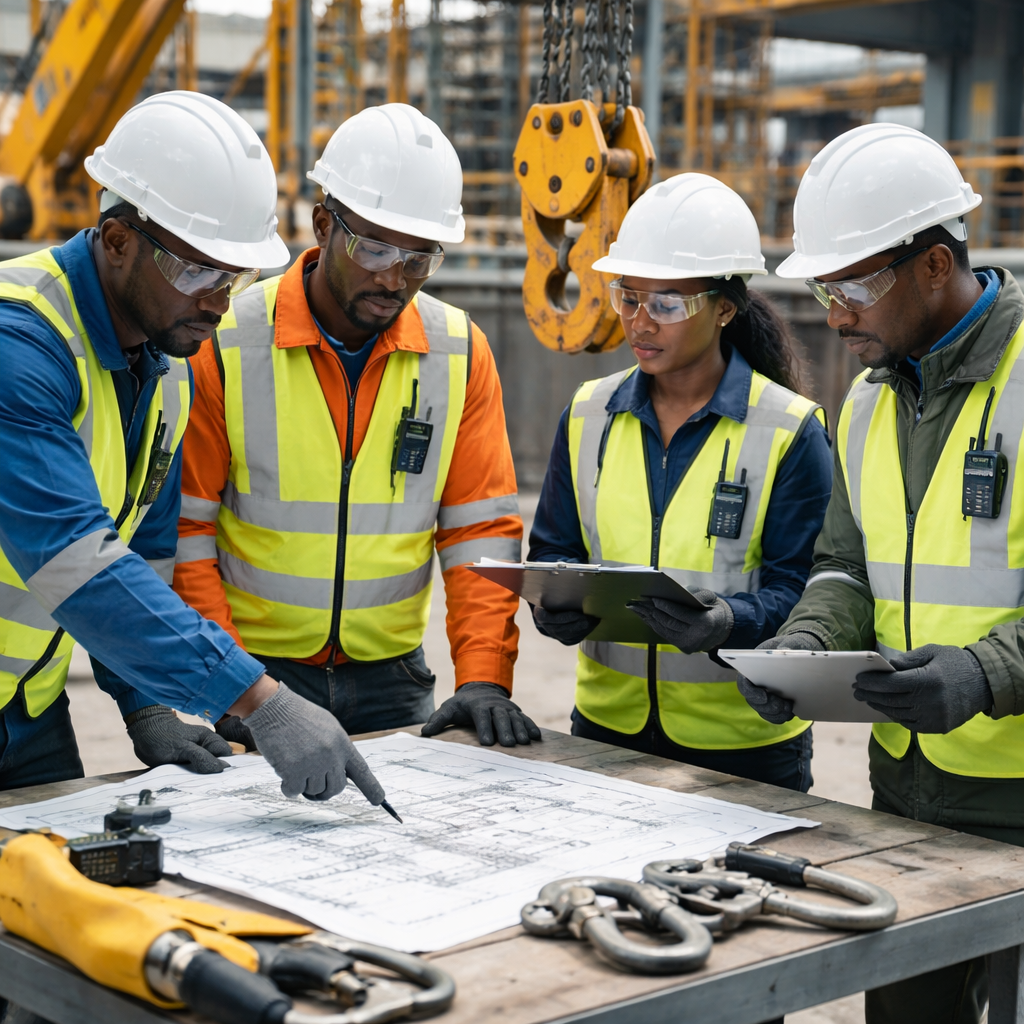
A well-planned lift ensures that workers understand their roles, the lifting path is clear, proper communication signals are established, hazardous areas are controlled.
2. Prevents Equipment Failure
Planning lifting operations help ensure that the correct lifting equipment is selected and used within its safe working limits. This includes determining the weight of the load, choosing the appropriate crane or lifting device, selecting the correct slings, shackles, and lifting accessories and confirming the Safe Working Load (SWL) or Working Load Limit (WLL).
3. Ensures Proper Risk Assessment
Planning lifting operations provide an opportunity to conduct a risk assessment before the task begins.
During planning, potential hazards are identified, such as uneven or weak ground conditions, obstructions, overhead power lines, adverse weather conditions (wind, rain, poor visibility), restricted access or tight spaces.
Once hazards are identified, control measures can be implemented to eliminate or reduce risks.
4. Improves Efficiency and Productivity
A properly planned lifting operation reduces downtime, ensures smooth coordination among workers and minimal disruption.
When everyone knows their responsibilities and the lifting sequence, the work is completed more efficiently.
5. Protects Property and Equipment
Poorly planned lifting operations can cause significant damage to load, equipment and harm to personnel. Planning will ensure that all the hazards and associated risks are identified and will also ensure that the lifting operation is carried out in a safe manner.
6. Ensures Proper Load Control and Stability
Planning lifting operations help to determine the center of gravity of the load, the correct lifting points, the best rigging method and appropriate lifting technique.
This ensures that the load remains stable and balanced during lifting, preventing load swinging and sudden dropping of load
Conclusion
Planning is a critical component of safe lifting operations. It helps identify hazards, select the right equipment, assign competent personnel, and establish safe procedures before the lift takes place. Proper planning not only prevents accidents and injuries but also improves efficiency, protects equipment, and ensures compliance with safety regulations
Every lifting operation—whether simple or complex—should be carefully planned to ensure that the task is carried out safely, efficiently, and without risk to workers or property.
To ensure competence of personnel and safety in your lifting operations, contact us for our various lifting operation trainings through our website: www.primeliftsafetyng.com or call +234 9115687051. Email us at training@primeliftsafetyng.com