
The objective of the safe system of work is that all hazards associated with and all factors affecting lifting operations are duly considered, communicated, well understood and controlled by the personnel involved in the lifting operations.
Lifting operations can often put people at great risk of injury, as well as incurring great costs when they go wrong. It is therefore important to properly resource, organize and plan lifting operations so they are carried out in a safe manner.
A safe system of work should be established and maintained by the Competent Person. The system shall be followed for every lifting operation, whether it is a non routine lift or repetitive routine operations.
Elements of a Safe System of Work for Lifting Operations
- Planning of Lifting Operations
LOLER Regulation 8 from LOLER Approved Code of Practice and Guidance stipulates the planning of lifting operations.
All lifting operations, no matter how simple or routine, need to be planned by a person competent for the purpose who has an understanding of the principles involved, the equipment to be used, the nature of the load, the environment in which the lift is to be made and any other factors which may affect the operations
The person planning the lifting operations should be appropriately trained and have the requisite knowledge and expertise of planning lifting operations.
The plan should set out clearly the actions involved at each step of the operation and identify the responsibilities of those involved. The degree of planning and complexity of the plan will vary and should be proportionate to the foreseeable risks involved in the work.
- Selection and Use of Lifting Equipment
The correct selection and use of suitable lifting equipment and accessories is vital to the safety of the lifting operations.
The lifting equipment and accessories should be of adequate strength or capacity for the load to be lifted and any other loads that may be imposed on it. This is a requirement of LOLER Regulation 4.
The nature of the load, the overall task to be performed and the environment will be the main factors influencing the selection of the lifting equipment and accessories.
- Examination and Inspection of Lifting Equipment
Safe and successful lifting operations depend, in large part, on the continued safety of the lifting equipment and accessories that are used. Failures in this kind of equipment can result in significant or even fatal injuries.
LOLER Regulation 9 therefore require that all lifting equipment should be inspected and maintained as necessary to keep it safe for use.
It is expected that the user of the lifting equipment should carry out pre-use daily checks before using the equipment for lifting operations.
It is a legal requirement (LOLER Regulation 9) that thorough examinations should be conducted every 6 months, for all lifting accessories and 12 months, for all other lifting equipment.
- Competent Person for the Lifting Operations
Safe lifting operations depend upon the selection of suitable personnel who are competent to carry out the required duties.
Any person using the lifting equipment must be trained and competent to operate that equipment. The person must also have a working knowledge of its capabilities and the defects likely to arise in service.
This knowledge will be of value when carrying out pre-use checks and also during the rigging and lifting operations.
- Adequate Supervision of the Lifting Operations
Supervision is necessary to ensure that the lifting operation is being carried out safely and to monitor the need to amend procedures.
The level of supervision will depend on the nature and extent of the operation, the experience and competence of the personnel and the risks involved.
Personnel performing routine lifts should be monitored and supervised to ensure that they maintain safe system of work. Complex or critical lifts call for close monitoring and supervision.
- Communication Requirements for the Lifting Operations
The safe system of work should be effectively communicated to all personnel concerned in the lifting operation.
It is essential for the safety of the operation to ensure that all personnel involved in the lifting operations are made aware of their roles and responsibilities and what the lifting operation involves.
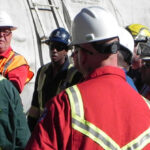
Before starting lifting operations, the person in charge will hold a pre-job meeting or toolbox talk to explain the lift plan to everybody in the lift team, confirm their understanding of the lift plan and the hazards involved.
- Environmental Conditions for the Lifting Operation
The execution of lifting operations must take into account the environmental weather conditions. The execution of lifting operations in adverse weather conditions must be avoided as these can impose loads on the crane and adversely affect the safety of lifting operations. Careful consideration should be taken to the coefficient factors of the load and suitable limits put in place.
In any lifting operation, the Lifting Appliance Operator and / or the Crane Lift Supervisor should have the final decision about whether to perform the operation due to environmental conditions, regardless of the maximum limits stated in the Lift Plan.
When lifting equipment is positioned where it could be adversely affected by wind speed, it shall never be operated in wind speeds that are in excess of those specified in the manufacturers operating instruction for the lifting equipment.
To ensure competence of personnel and safety in your lifting operations, contact us for our lift planning and supervision training through our website: www.primeliftsafetyng.com or call +234 9115687051. Email us at training@primeliftsafetyng.com.